How to Layer Neutral Bedding Without Making It Fussy
Shopping note: This guide links directly to retailers. We do not earn a commission from these links. Read our disclosure. This is a research-based buying guide.

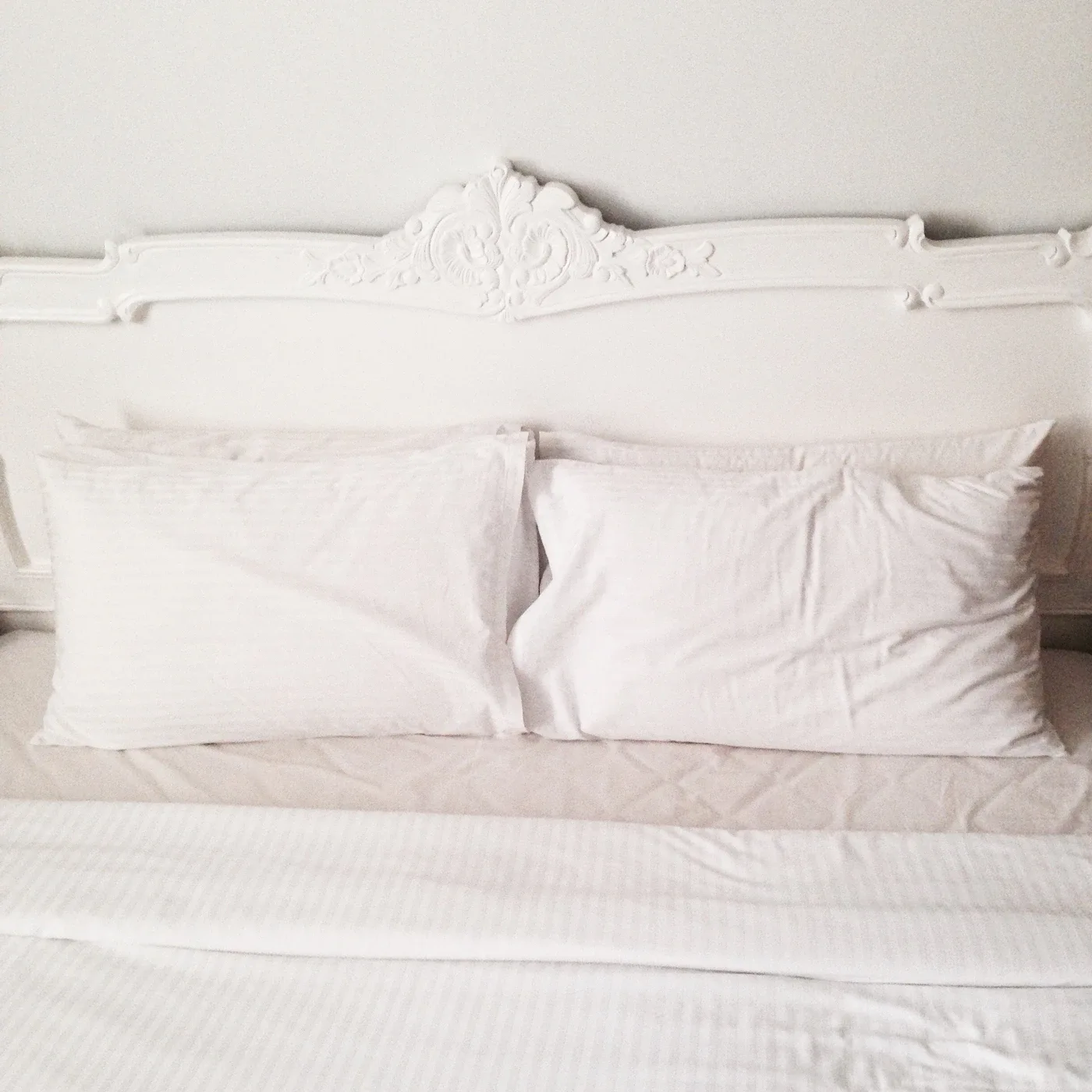
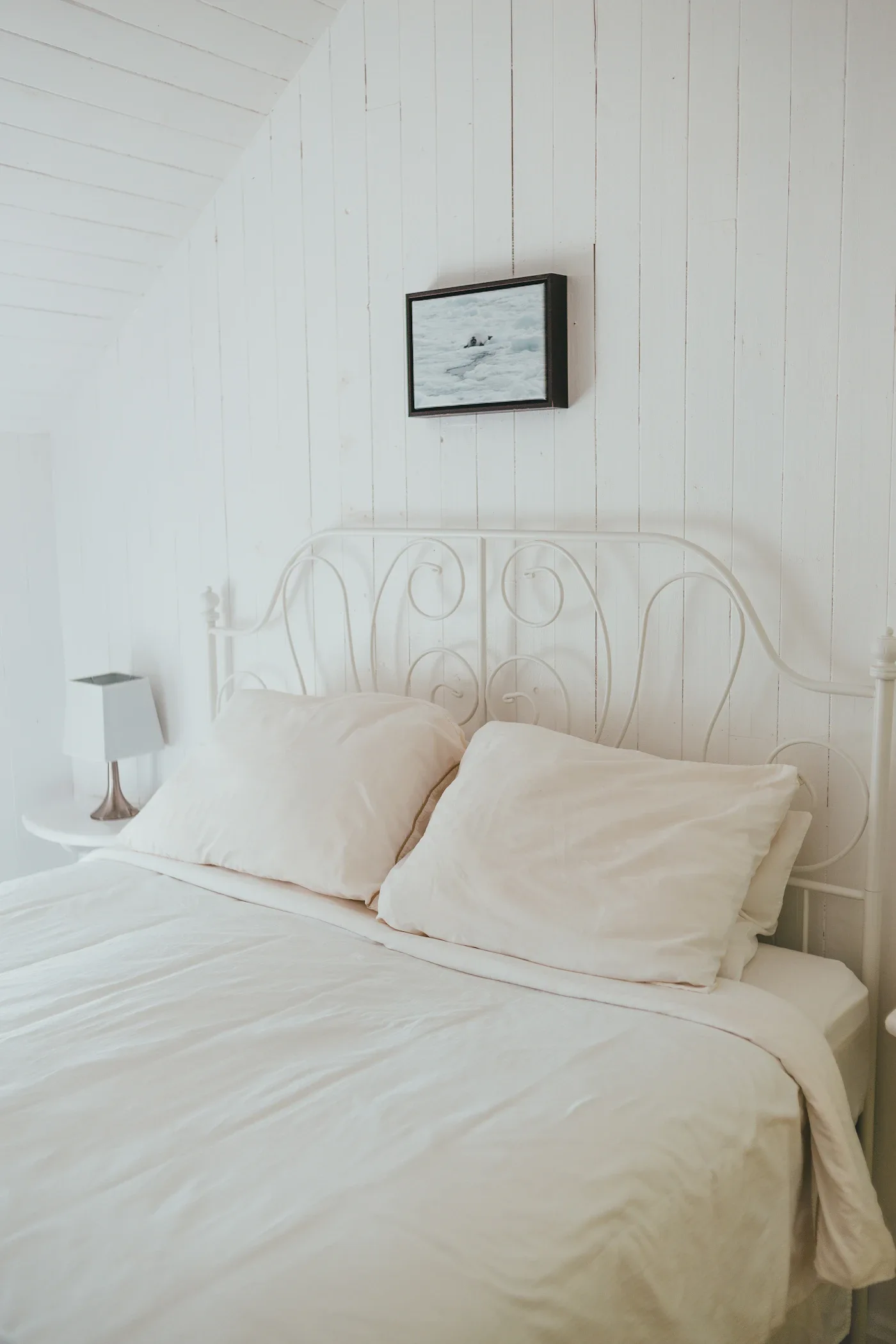
A cream duvet, white sheets, and a pale throw can make a bedroom feel restful. Add too many nearly identical layers, though, and making the bed becomes a small daily project. The useful version of a neutral bed starts with what you sleep under and adds only the pieces that earn their place.
Our buying verdict: choose one main bed covering, sheets you like against your skin, and one optional layer with a different texture. You do not need a matching duvet, coverlet, blanket, throw, and full row of decorative pillows to make the room feel finished.
Begin with the room you have
Look at your wall color, flooring, and largest furniture finish in daylight and with the bedside lamp on. A gray-beige cover that works beside cool painted walls may look unexpectedly pink next to warm oak. These are visual relationships, not defects in the product.
Use the largest textile as your anchor. If the duvet is warm ivory, a white sheet can provide a clean edge, while an oatmeal blanket adds separation through texture. With a cooler gray cover, test a small warm accent before buying a large second layer. Product photographs are helpful for shape, but they cannot settle exact color matching across different screens.
Give each layer a job
| Layer | Useful purpose | When to leave it out |
|---|---|---|
| Fitted sheet and sleeping pillowcases | Comfortable everyday base | Replace only when fit or condition calls for it |
| Flat sheet | A preferred layer between sleeper and cover | Your household never uses one |
| Duvet with washable cover | Main covering with an interchangeable exterior | You prefer laundering a single lighter bedspread |
| Quilt or coverlet | Main warm-weather covering or a structured top layer | It adds bulk without being used |
| Bed-size blanket | Adjustable extra warmth | The bed is already too warm |
| Decorative throw | A small visual accent or reading wrap | It lands on the floor every night |
The table is a shopping filter. It is perfectly reasonable for your final bed to use only three of these categories.
Mix texture before adding more colors
Try a smooth sheet beneath a lightly textured cover, then decide whether another surface is actually missing. A woven blanket folded at the foot makes more visual difference than another smooth cream pillowcase. Keep the pattern scale simple: a small stripe can sit beside a larger woven texture without making every piece compete.
Check the usable size before ordering a decorative throw. Many throws are designed for a chair or one person, so they may not span the foot of a large mattress. If you want an even band across the bed, compare its width with the bed and the amount of drape you want. Buy a bed-size blanket when warmth for two people is the real purpose.
A practical buying sequence
Start by laundering and arranging the bedding you own. Fold the top covering down once and stand in the doorway. If the bed looks flat, try changing the fold or showing a little more sheet before ordering something else.
When you do buy, add the missing function first. A cover that fits an existing insert is a better foundation than an attractive throw bought to disguise a duvet that constantly bunches. Next, choose one accent that can work elsewhere in the house if you change the bedroom palette.
Avoid overpaying for a bundle with more shams than you want to remove at bedtime. Decorative pillows also need a clean destination overnight. A bench can help, but purchasing furniture simply to hold surplus cushions is an expensive way to finish a bed.
Plan for wash day
Mixed textures may have different care requirements. Read every label before treating the full bed as one laundry load. Bulky covers and quilts must fit your machine's instructions, and decorative trims may require extra attention. Select an outer layer you can maintain without putting off washing it because the process feels difficult.
Keep a simple record of dimensions and color names if you expect to replace individual pieces. A neutral scheme works especially well when replacement does not depend on finding the exact same discontinued set.
Common questions
Can white and ivory go together?
Yes, when the distinction looks intentional. A clear contrast in texture or shade is often easier to manage than two fabrics that nearly match in one light and clash in another.
Does a duvet need a coverlet over it?
No. Add one only if you use the extra layer or prefer its shape. A well-fitted duvet cover can be the whole visible bed covering.
How many decorative pillows should I buy?
Buy only what you are comfortable moving and storing every day. Start with the sleeping pillows; the bed may already look complete.
Sources and shopping references
- Brooklinen duvet cover materials and styles
- IKEA blankets and throws, with individual dimensions and care details
References checked October 9, 2026. Styling recommendations are editorial suggestions; individual products have not been tested by Home Gear Insight.
Check the details before you buy.
Compare current dimensions, materials, care instructions, and return terms at the retailer.