How to Choose a Sofa for a Small Living Room
Shopping note: This guide links directly to retailers. We do not earn a commission from these links. Read our disclosure. This is a research-based buying guide.
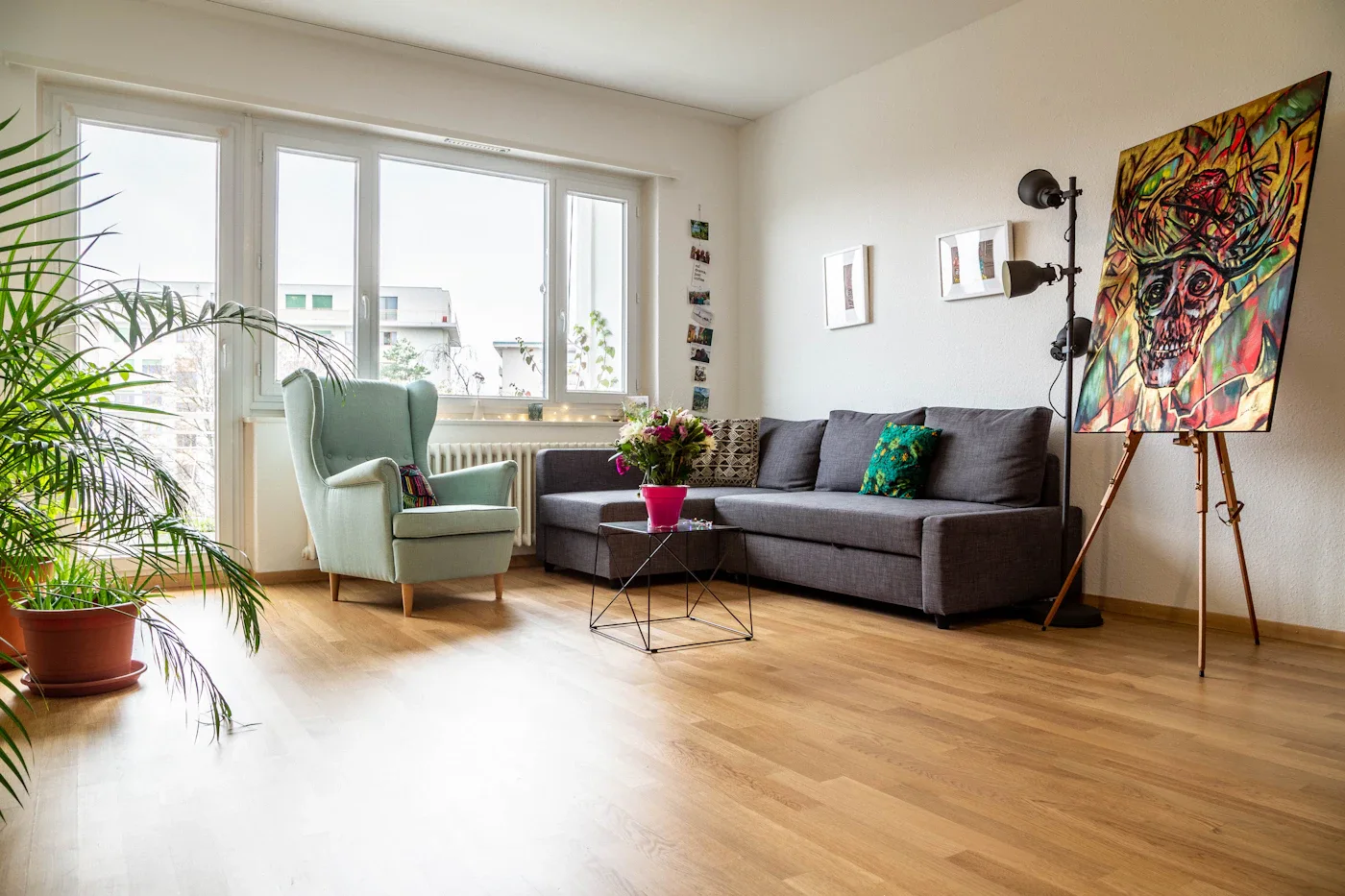
A sofa can fit along the wall and still overwhelm a living room. The problem usually appears at an ordinary moment: someone carries laundry past it, another person pulls out an ottoman, and the route to the kitchen disappears. Choosing a small-room sofa starts with those movements, then moves to fabric and color.
Our purchasing recommendation: choose the smallest footprint that provides the seating you regularly need. A straightforward sofa with usable seat width often works better than a tiny loveseat paired with several extra chairs. Add a chaise only when its projection leaves the main walking route comfortable.
Measure more than the empty wall
Record the room, door swings, radiators, outlets, and furniture that will remain. Mark the proposed sofa footprint using floor-safe tape. Include the actual depth of the back and arms rather than marking only the sitting area.
Walk through the room with the outline in place. Carry a laundry basket, open the cabinet opposite, and imagine the coffee table in its normal position. A drawing that looks spacious can still conceal an awkward turn beside the sofa.
The delivery route matters too. IKEA's sofa-size guide specifically calls out doors, hallways, stairs, and elevators. Check the retailer's packaged measurements, removable components, delivery requirements, and return terms before ordering.
Compare layouts before comparing brands
| Sofa format | Good fit for | Main advantage | What you give up |
|---|---|---|---|
| Straight sofa with narrow arms | A room that doubles as a passage | More usable seating within a given exterior width | Less space for resting a tray on an arm |
| Loveseat with a separate chair | Two people who prefer separate seats | Flexible arrangement | Multiple pieces may occupy more floor area |
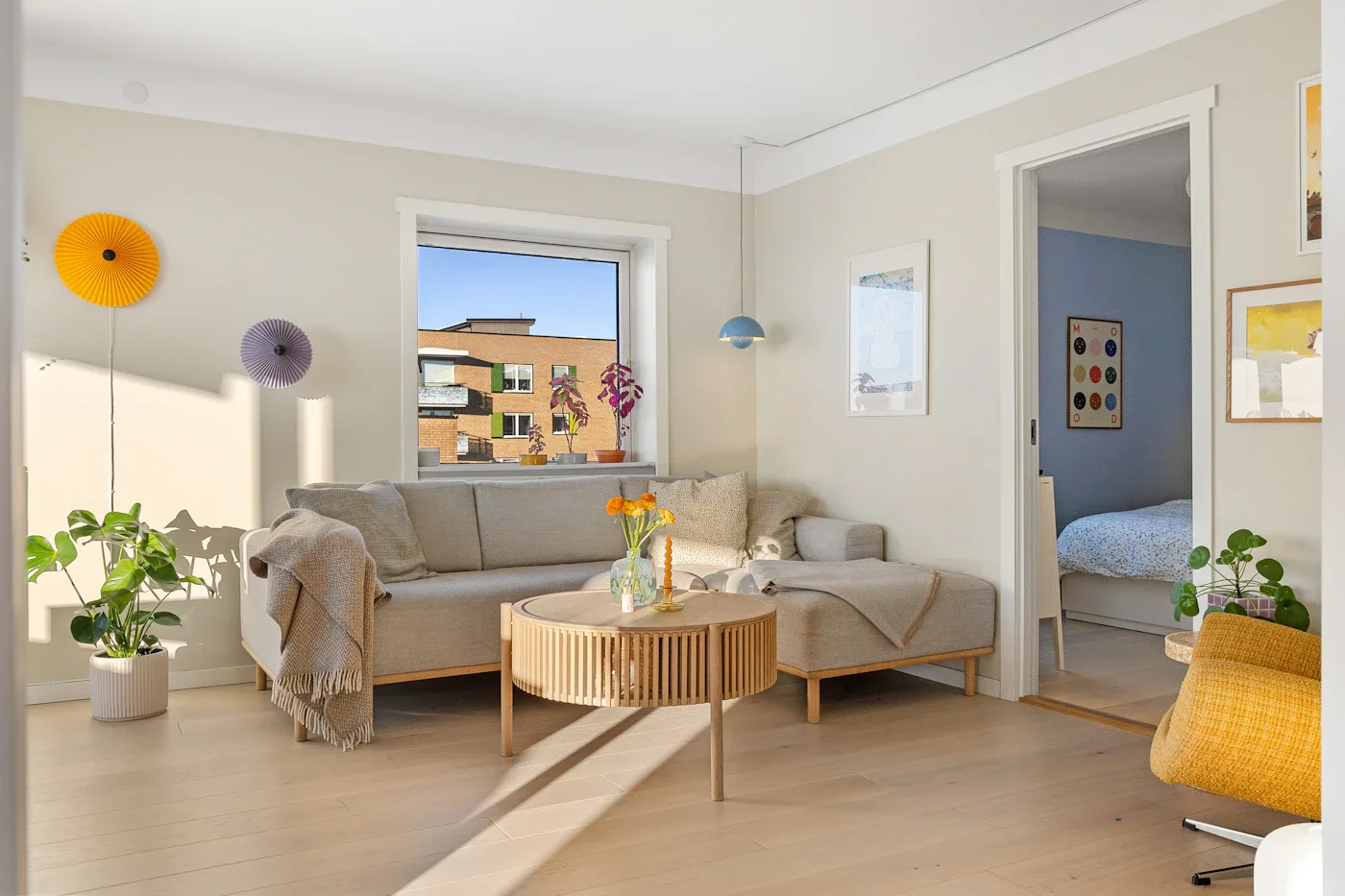
| Compact chaise sofa | Regular lounging in a room with an open corner | A place to stretch out | The chaise commits a larger patch of floor |
| Modular sofa | Difficult delivery routes or changing layouts | Sections may be easier to maneuver | Connectors and future module availability need checking |
| Sleeper sofa | A home with actual overnight guests | Adds a sleeping function | Open-bed clearance and mechanism weight |
Exterior depth and sitting comfort are different
Two sofas of equal overall depth may have different seat depths because their backs are constructed differently. If you prefer sitting upright with your feet on the floor, look closely at seat depth and height. If you curl up or stretch out, a deeper seat may be welcome.
IKEA's sofa buying guide distinguishes relaxed, deep seating from higher, shallower upright seating. Try the actual model where possible. Sit as you would at home, with your usual posture, rather than judging it after a few seconds perched on the front edge.
Check the space between arms as well. A generously padded arm can consume a surprising part of a compact sofa's width. The product label “three-seat” is less useful than the usable dimensions for your household.
Fabric decisions that affect everyday ownership
Ask for swatches and compare them against your floor and curtains. Read the cleaning instructions for the exact upholstery option; a fabric collection may offer several care methods. Removable covers do not automatically mean machine-washable covers.
Check whether replacement covers or cushion components are available, without assuming they will remain available indefinitely. If pets scratch or children eat in the room, consider how accessible seams, loose loops, and crevices will be to clean. A fashionable texture is not a substitute for suitable care instructions.
Where extra money helps
Pay for comfort you have assessed, appropriate upholstery, clear construction information, and delivery that suits your building. Be cautious about adding a sleeper mechanism for guests who rarely stay, or choosing a whole modular system because it might suit a hypothetical future house.
Budget for the entire arrangement. A sofa that leaves no money for functional lighting or a correctly sized rug may not be the strongest room purchase. Keep decorative cushions minimal until you know how much seating depth they consume.
Questions before checkout
Does a sofa on exposed legs make a room bigger?
It can make the floor look more continuous, but it does not change clearance. Treat the lighter appearance as a style benefit after the dimensions work.
Is a sectional always too large for a small room?
No. In a suitable corner it can replace several separate seats. Compare its full footprint and the route around the open end with a straight-sofa arrangement.
Should I order the matching ottoman immediately?
Only if you have mapped its everyday location. A movable footrest is helpful when there is somewhere to put it without blocking a door or narrowing the route through the room.
Sources and shopping references
Sources checked October 9, 2026. This is a planning guide rather than a hands-on review of a particular sofa.
Check the details before you buy.
Compare current dimensions, materials, care instructions, and return terms at the retailer.