A Lean Cleaning Caddy for an Everyday Home Reset
Shopping note: This guide links directly to retailers. We do not earn a commission from these links. Read our disclosure. This is a research-based buying guide.
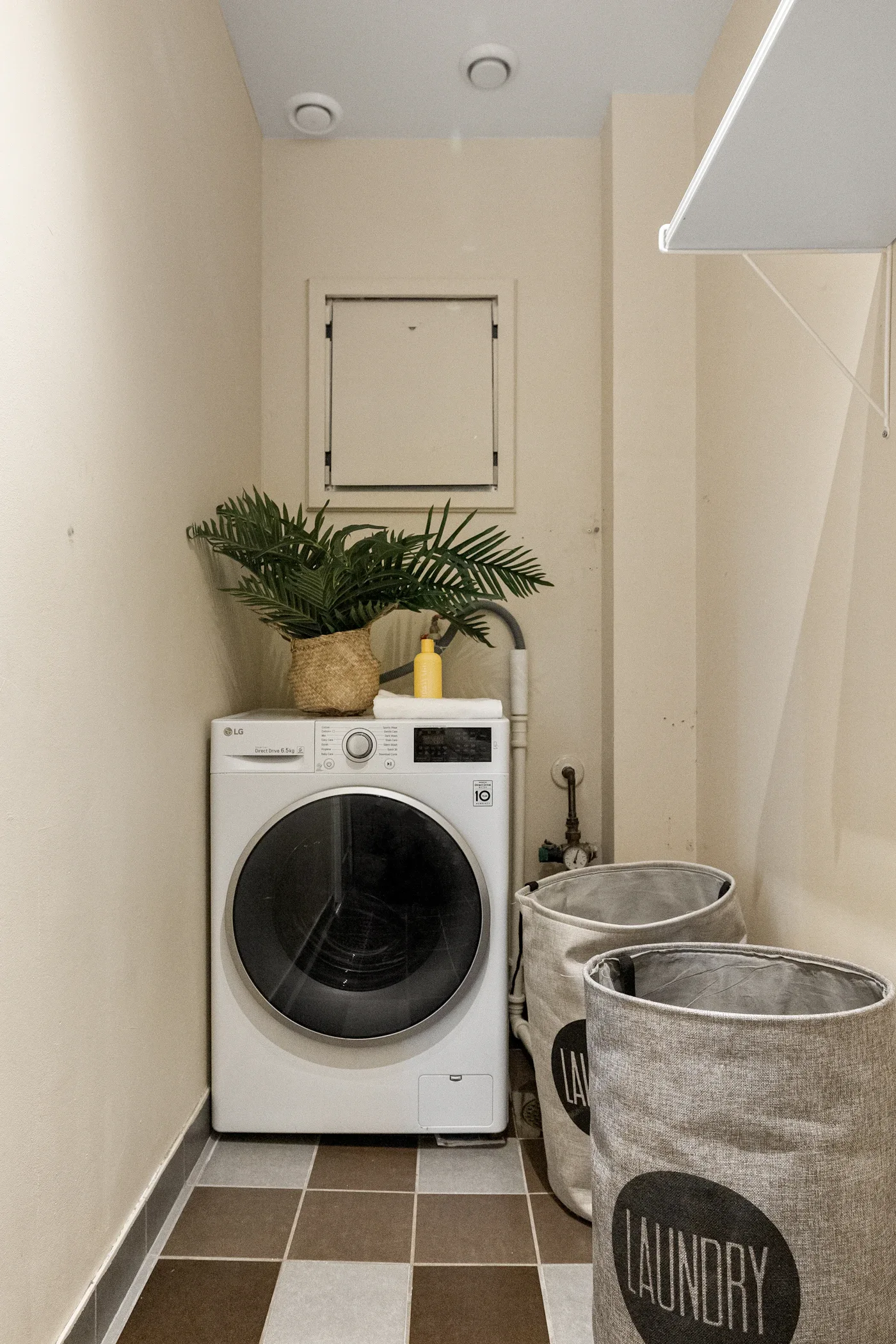
A cleaning caddy should make it easy to begin a small job. If it holds every spray in the cupboard, it becomes heavy, hard to carry, and difficult to put away. The useful version carries the tools and compatible products needed for the task in front of you.
Our buying verdict: choose a simple, washable carrier with a comfortable handle and room for a small working selection. Store the rest of your supplies appropriately elsewhere. A large divided caddy is worthwhile only when the divisions match your bottles and tools.
Build around tasks and surfaces
Start with the surfaces you clean regularly: perhaps a sealed kitchen counter, bathroom sink, painted cabinet fronts, and a dining table. Check their care instructions before choosing products. “All-purpose” on a cleaner does not establish compatibility with every finish in the house.
CDC distinguishes ordinary cleaning from disinfecting and explains that cleaning is generally sufficient in most home situations unless someone is sick or at higher risk. Keep that distinction in mind rather than buying a disinfectant for every routine wipe. Follow any specific household guidance that applies to your situation.
A compact working kit
| Item | Useful job | What to check |
|---|---|---|
| Washable cloths | Wiping appropriate surfaces | Material compatibility and laundering instructions |
| Small detail brush | Reaching edges and crevices | Bristle stiffness against the finish |
| Suitable sponge or pad | Loosening soil where permitted | Whether the surface allows that level of abrasion |
| Appropriate cleaner in its original bottle | The planned cleaning task | Label directions and surface approval |
| Gloves when required | Following product handling directions | The product's required type and condition |
| Separate container for used cloths | Keeping soiled tools apart | Whether it can be cleaned and dried afterward |
Existing tools can fill these roles if they are suitable and in good condition.
Choose the carrier after the contents
Stand the bottles together and measure their height and base sizes. Include the handle clearance needed to lift the caddy without knocking trigger sprays. A low tray may work better inside a shallow cabinet; a taller carrier may keep long brushes organized but need more storage height.
Try carrying the expected load. A wide caddy can become awkward in a narrow hallway even when it has plenty of capacity. If you have stairs, prioritize manageable weight and a secure grip rather than the maximum number of compartments.
Look for a shape you can clean without digging into many tiny corners. Removable dividers are useful if you need to change the arrangement. Decorative woven carriers are less convenient where drips or damp tools are likely.
Keep products identifiable and separate
Leave products in their original labeled containers and close them as directed. Never mix cleaning products. CDC also stresses following label directions, including ventilation and any required protective equipment. More products on one surface do not create a better cleaning method.
If a disinfectant is needed, follow its labeled use directions and contact time. Do not improvise a stronger mixture or shorten the wet time because you want the counter immediately dry. Keep products securely stored out of children's and pets' reach when the task is finished.
Use a simple way to separate cloths by task, such as distinct colors or clearly designated containers. The important point is the routine, not a specific color scheme. Keep bathroom tools away from kitchen food-contact tasks, and clean the tools according to their own instructions.
Put the caddy away ready for next time
Remove used cloths for laundering, clean any spills, and let suitable tools dry before storing them. Refill the working selection from properly stored supplies only as needed. Do not leave wet brushes sealed into a crowded carrier and expect them to be pleasant next time.
Check for cracks, rough edges, or a loose handle. A sturdy, comfortable carrier deserves more attention than matching labels.
Avoid paying for duplicate functions
Skip a bulk assortment of brushes unless you can identify where each will be used. A specialized tool can be worthwhile for a repeated awkward job, but it should earn space by solving that job. Likewise, do not replace a compatible cleaner simply to make every bottle visually identical.
If a full caddy is too much for everyday use, keep the main supplies stored safely and carry a smaller tray for the current room. That can be a better arrangement than buying another elaborate organizer.
Common questions
Do I need a disinfectant in the caddy all the time?
Base that choice on the task and relevant guidance. Everyday dirt removal and disinfection are different processes, and the label governs how a product is used.
Can I use one cloth for the whole house?
Separate tasks and change or launder cloths appropriately rather than carrying soil from one area to another.
Is a metal caddy better than plastic?
Choose based on cleanability, compatibility with the contents, handle comfort, and storage fit. Material alone does not establish a better carrier.
Sources
Checked October 9, 2026. Product selection is editorial guidance; always follow the surface and cleaner instructions for the task.
Check the details before you buy.
Compare current dimensions, materials, care instructions, and return terms at the retailer.