Pantry Containers: What to Decant and What to Leave Alone
Shopping note: This guide links directly to retailers. We do not earn a commission from these links. Read our disclosure. This is a research-based buying guide.
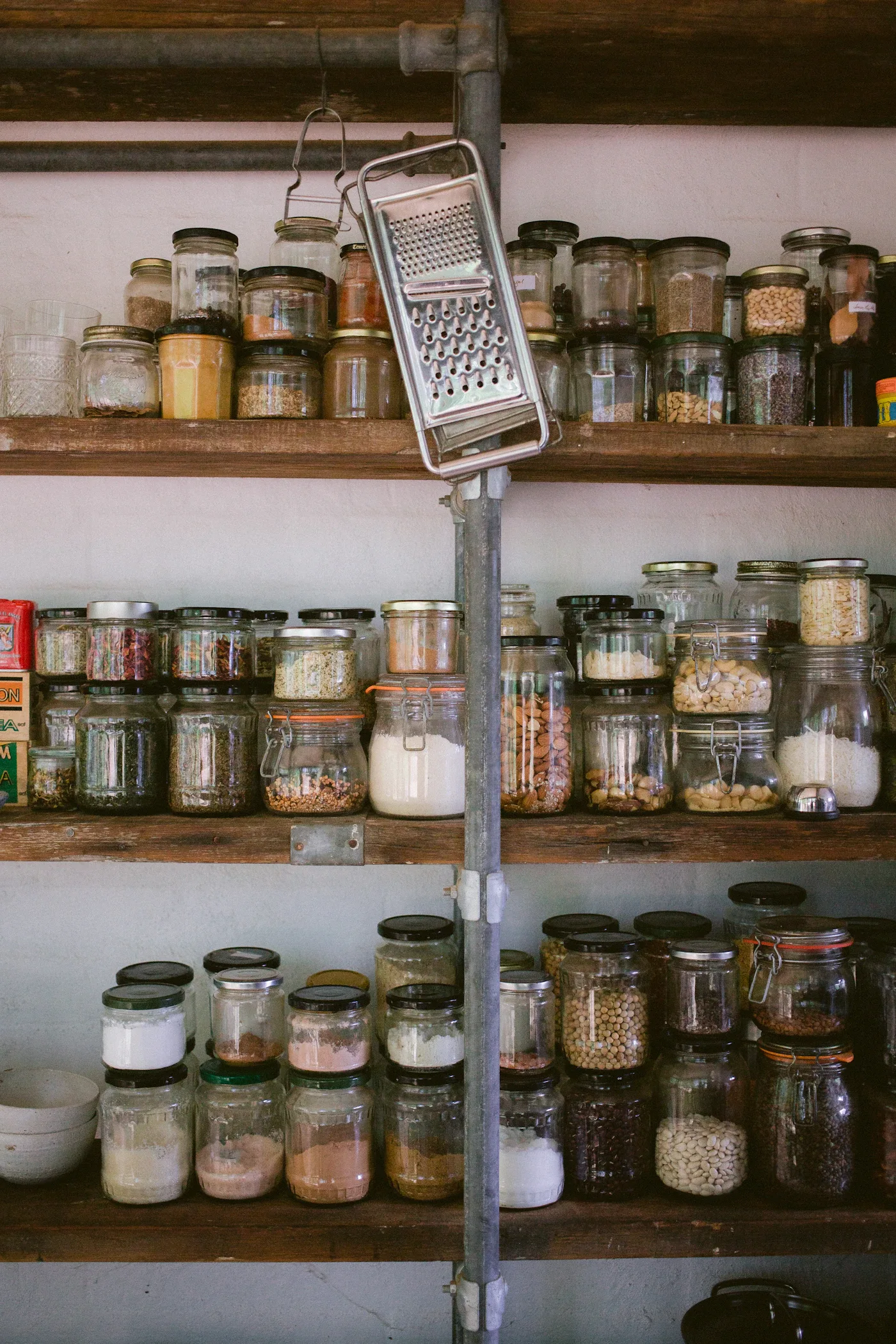
A matching pantry looks appealing until a new bag of flour will not fit in its container and the remaining ingredients stay in half-empty packaging behind it. Decanting works best when it solves a recurring problem: awkward scooping, unstable bags, difficult inventory, or a shelf that is hard to use.
The buying verdict: decant the dry staples you use often and buy containers around their normal package sizes. Leave occasional ingredients, individually wrapped snacks, and products whose original packaging is already convenient in their packaging, organized in a simple bin if needed.
Take inventory before measuring containers
List the foods that repeatedly cause trouble. Note the amount you buy, how often you refill, and whether you scoop or pour. Then measure shelf height, depth, and the opening through which the container must pass.
Leave room to grasp the container and open its lid. A tightly packed shelf can look efficient while making every refill awkward. Tall containers may make sense on a lower shelf; the same shape can be difficult to manage above eye level.
OXO's POP container guide matches container shapes and capacities with different pantry uses. Treat those examples as a starting point, then verify the current product dimensions and the amount in the package you actually buy.
What is worth decanting?
| Pantry item or habit | Sensible storage approach | Why it helps | What to watch |
|---|---|---|---|
| Frequently used flour or sugar | Wide-mouth container with adequate headroom | Makes scooping easier | Full bag capacity and space for the scoop |
| Cereal poured every morning | Container with a practical opening | Reduces handling of inner bags | Comfortable weight when full |
| Pasta in several shapes | Separate containers only for regular favorites | Keeps recurring staples visible | Different shapes pack into space differently |
| Individually wrapped snacks | Original packets in a shallow bin | Easy restocking without extra handling | Avoid hiding older packets underneath new ones |
| Rarely used specialty ingredients | Original package in a grouped bin | Preserves instructions and identification | Keep the package closed as directed |
| Small spice collection | Existing jars in an accessible organizer | Reduces unnecessary duplication | Labels should be visible from the shelf position |
Capacity is not the whole measurement
Container volume and package weight are different quantities. Two ingredients with the same weight may occupy very different amounts of space. Use a maker's food-specific capacity guidance where available, and leave enough room to close the container without compacting the contents.
Compare external dimensions as well. A broad lid or rounded shoulder may use more shelf space than expected. Standardizing a few compatible shapes can make stacking easier, but do not stack so high that accessing a daily ingredient requires moving a tower.
OXO's POP range provides several formats rather than one universal container. That variety is useful only if the selected sizes match your shelf and food habits.
Keep the information that packaging carried
When transferring food, retain the product name, relevant allergen information, preparation instructions, and date information. Keep lot or batch details available when practical. A neat label that says only “flour” may remove information you later need.
Clean and dry containers according to their instructions before refilling. Do not continuously top up old contents without a plan for using and cleaning the container. Decanting does not override the food's storage requirements or give it a new shelf life.
Check how lids come apart and whether seals require separate cleaning. A container is only convenient if you are willing to care for the parts that make it work. Follow the product's dishwasher guidance rather than assuming every clear container can go through the same cycle.
Avoid the oversized starter set
A bundle can be good value when most of its sizes suit your inventory. It is less useful when the smallest containers have no purpose and the largest ones do not fit the shelf. Compare the cost of the pieces you would actually use with buying those pieces individually.
Start with the ingredients that frustrate you most. After a few normal shopping cycles, it will be clear whether more containers would help or simply create a refilling chore. Pair the system with a modest kitchen-tool collection so storage remains easy to manage.
Common questions
Should everything in the pantry match?
No. Consistent access and clear labeling matter more. A mix of practical containers and original packaging can be easier to maintain than a completely decanted pantry.
Do airtight containers make food last indefinitely?
No. Follow the food's storage directions and date guidance. Container claims should not be treated as a new expiration policy.
Is glass always better than plastic?
Neither suits every shelf or household. Compare weight, handling, breakage considerations, care instructions, and the manufacturer's intended food use. A full container should be comfortable to lift from its actual storage position.
Sources and shopping references
Sources checked October 9, 2026. Storage planning advice does not replace food-package instructions.
Check the details before you buy.
Compare current dimensions, materials, care instructions, and return terms at the retailer.